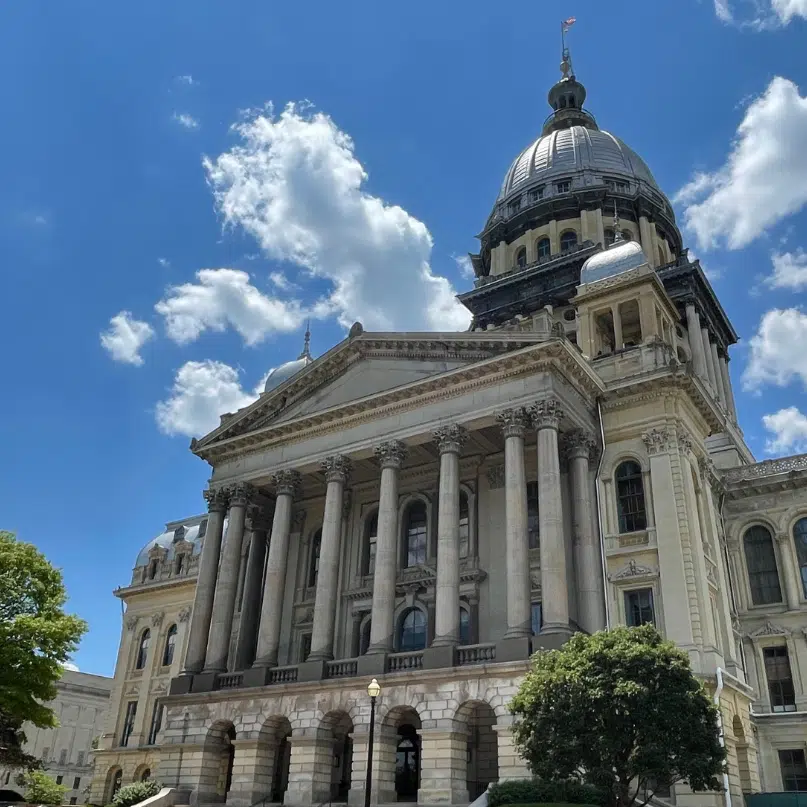
A federal court ruling issued Tuesday has re-ignited a longstanding dispute over the question whether tips and tax can be exempted from the calculation of interchange merchants pay on credit card transactions in Illinois following that state’s adoption in 2024 of the Illinois Fee Prohibition Act. The controversial act is expected to take effect July 1, 2027.
The ruling from Judge Virginia Kendall of the Northern District of Illinois expands an existing injunction against the act to include national credit unions. National banks, federal savings and loans, out-of-state chartered banks, and card networks had previously been exempted by the injunction. State-chartered banks and credit unions remain subject to the act. Estimates indicate some 235 state-chartered banks and nearly 200 state-chartered credit unions operate in the state.
The move to exempt federal credit unions drew a strong rebuke Wednesday from the Merchants Payments Coalition, a group that lobbies on behalf of retailers on payments matters. “The NCUA has clearly exceeded its authority, and we expect the court will be overruled in an appeal or subsequent case,” said Doug Kantor, an MPC executive committee member. “States can and should protect their local businesses and consumers from abusive, unfair practices by credit unions and banks.” Kantor is also general counsel for the National Association of Convenience Stores. The NCUA refers to the National Credit Union Administration.
Interchange refers to the percentage of a card transaction merchants pay to issuing banks. The fee, typically around 2% to 3% of the sale, has grown increasingly controversial as merchants look to cut what they see as excessive transaction fees. Banks and interchange advocates argue the fee is necessary to cover the costs imposed by processing and expected risks.
Among avenues remaining for merchants opposed to Kendall’s ruling is an appeal to the Seventh Circuit Court, of whose jurisdiction Kendall’s court is a part, observers say. The MPC estimates the law will cut expenses for merchants in Illinois by some $500 million a year.
At the same time, opponents of the IFPA, which include processors, banks, and lobbying groups, repeat their argument that the law distorts the economics of card transactions, ultimately hurting cardholders. These parties say they seek full repeal of the law.